

The relentless pace of Singapore’s business world is leaving a hidden, yet costly, scar on its workforce. Beneath the surface of success, a staggering 82% of employees are grappling with high or moderate mental health risks. This isn’t just a personal struggle; it’s a financial drain on businesses, amounting to an estimated S$15.7 billion annually through lost productivity and absenteeism. The good news? There is a powerful business case for change. For every dollar invested in targeted wellness initiatives, companies can see a return of S$3.60 in productivity. This article explores how moving towards a proactive, integrated strategy for corporate mental health is not just the right thing to do, but the smart thing to do for sustainable success.
Beyond EAPs: A New Framework for Workplace Wellness
For too long, employee wellness has meant little more than a generic Employee Assistance Programme (EAP) hotline number pinned to a noticeboard. This reactive approach is no longer sufficient. An integrated mental wellness strategy goes deeper, seeking to understand and address the systemic issues within an organisation. It’s about building a supportive ecosystem from the ground up, not just offering a bandage when things go wrong. This involves using data to identify pressure points and embedding first-responder capabilities directly within your teams. By training staff in Mental Health First Aid, you create a network of support that can intervene early and effectively, fostering a culture where looking out for one another is the norm.
Cultivating a Culture of Psychological Safety
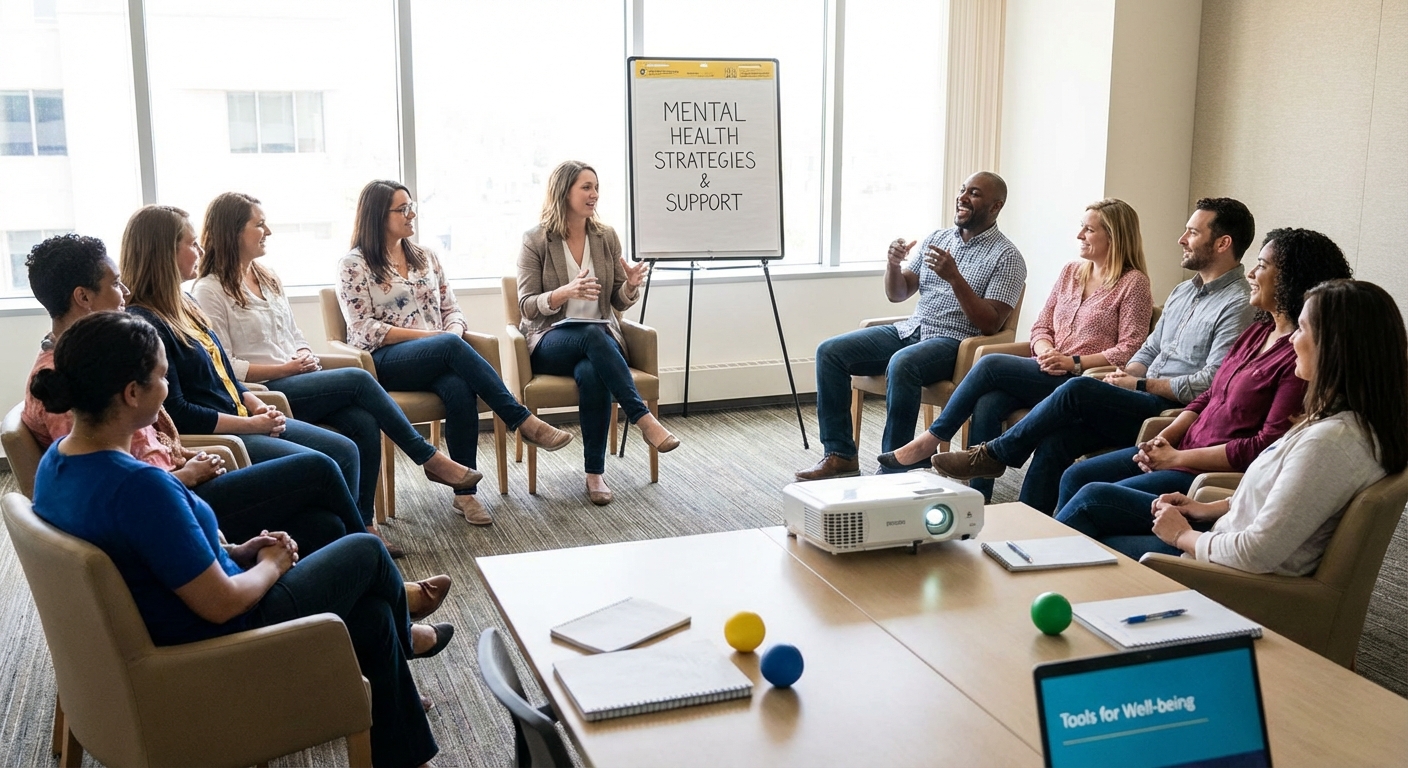
A truly healthy workplace is one where employees feel safe enough to be vulnerable, to ask for help, and to admit they are not okay without fear of judgement or reprisal. This is the essence of ‘Psychological Safety’. Building this environment requires a deliberate, multi-pronged effort. A key step is appointing and training in-house ‘Mental Wellness Champions’. These individuals act as approachable advocates, helping to destigmatise conversations around mental health and signposting colleagues to the right support. This grassroots effort must be supported from the top down, with leadership training that equips managers to handle sensitive conversations and foster psychologically safe teams. Furthermore, implementing structured ‘Return-to-Work’ plans for employees recovering from mental health challenges ensures they are supported, not penalised, as they reintegrate.
Getting Buy-In from The People Who Matter
For any initiative to succeed, it needs champions at every level, especially in leadership. The conversation around mental wellness in the workplace must be framed as a strategic priority for HR, People Operations, and even Finance leaders. It’s not a ‘soft’ perk; it’s a core business function that directly impacts performance, retention, and the bottom line. As a dedicated corporate mental health consultant, we help you build a compelling case using government frameworks and industry data. The next step is tailoring solutions. The challenges faced by a new graduate are vastly different from those of an expatriate adapting to a new culture or a working parent juggling multiple responsibilities. Effective programmes recognise these differences and offer targeted support for specific employee groups, ensuring the investment makes a real impact.
Measuring What Matters for Continuous Improvement
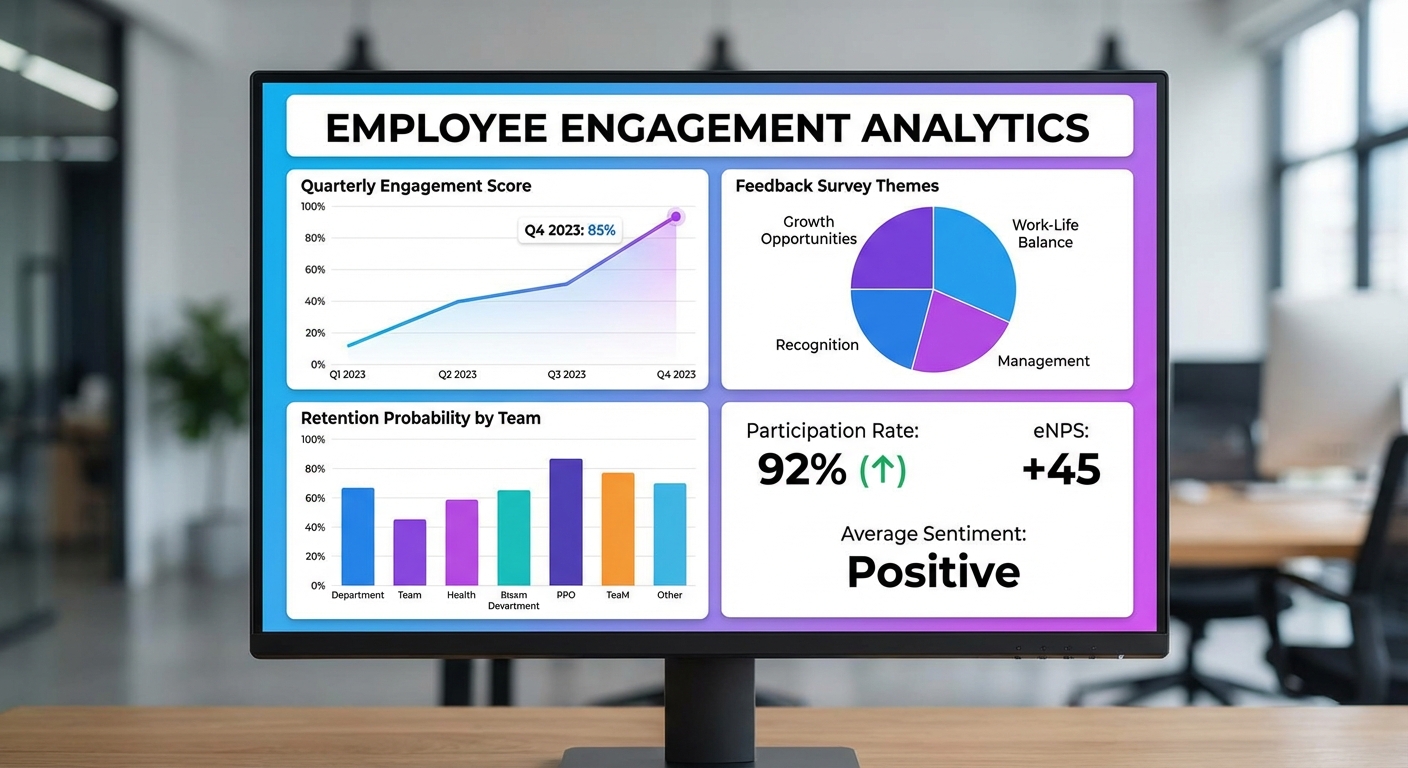
How do you know if your strategy is working? The success of a corporate mental health programme shouldn’t be a guessing game. It’s crucial to move beyond simple participation rates and track leading indicators that reflect genuine cultural change. This includes monitoring staff engagement scores, employee turnover rates, and even trends in insurance claims related to mental health. An integrated digital platform can be instrumental here, allowing you to gather real-time, anonymous insights into the well-being of your workforce. This data empowers you to see what’s working, identify areas for improvement, and personalise support, ensuring your programme evolves alongside the needs of your people. It creates a continuous feedback loop for iteration and improvement.
The evidence is clear: a thriving, mentally healthy workforce is the bedrock of a successful and resilient business. Ignoring the well-being of your employees is a risk no modern company can afford to take, especially in the competitive Singaporean market. Moving away from outdated, reactive measures towards a proactive and data-driven strategy is no longer a choice but a necessity. By measuring impact, fostering psychological safety, and securing buy-in from key leaders, you create a virtuous cycle of well-being and performance. As a specialised corporate mental health consultant, we have seen firsthand how investing in people yields incredible returns. It transforms the workplace into an environment where both individuals and the organisation as a whole can truly flourish.
FAQs
Q: Why is a proactive mental wellness strategy important for my business?
A: A proactive strategy is important because it prevents issues from escalating, reduces costs from absenteeism and low productivity, and builds a resilient, high-performing workforce, giving you a competitive advantage.
Q: What is the first step to creating a mental wellness programme?
A: The first step is to understand the specific needs and stressors within your organisation, often through anonymous surveys or a diagnostic assessment, which provides the data to build a targeted and effective programme.
Q: How can a consultant help improve our company’s mental health?
A: A consultant provides expert guidance, objective insights, and proven frameworks like Mental Health First Aid training to build a comprehensive strategy, secure leadership buy-in, and measure the programme’s success.
Q: What is Mental Health First Aid training?
A: Mental Health First Aid (MHFA) is a training programme that teaches your employees how to identify, understand, and respond to signs of mental illnesses and substance use disorders in their colleagues, providing initial support until professional help is available.
Q: How do you measure the success of a corporate mental health programme?
A: We measure success by tracking key business metrics such as employee engagement, staff turnover rates, absenteeism, and insurance claims, using data to show a clear return on investment and guide continuous improvement.